Source Retro Custom Car Key Strap for Gifts, Promos, and Branding
Find 30 options for a retro custom car key strap made from zinc alloy, PVC, or metal. Compare materials, colors, and customization logos to select the ideal accessory for promotional gifts, auto accessories, and creative branding projects; compare the available evidence and request quotations based on your requirements.
Key considerations
Products List




Comprehensive Sourcing Guide
Retro Custom Car Key Strap Sourcing Guide
Sourcing retro-styled custom car key straps requires a nuanced understanding of material durability and aesthetic fidelity. Buyers must balance the nostalgic visual appeal with the functional demands of daily automotive use. The market offers diverse options ranging from simple metal charms to complex leather-wrapped designs, each presenting unique procurement challenges. Understanding these variations is critical for selecting the right supplier who can deliver consistent quality across large orders.
This guide focuses on verifying technical specifications, compliance documentation, and commercial terms specific to this product category. It provides a structured approach to evaluating suppliers based on observed market signals and standard industry practices. By adhering to these verification steps, procurement teams can mitigate risks associated with material degradation, logo misalignment, and delivery delays. The goal is to establish a reliable supply chain for high-quality, personalized automotive accessories.
Product Scope and Observed Listing Signals
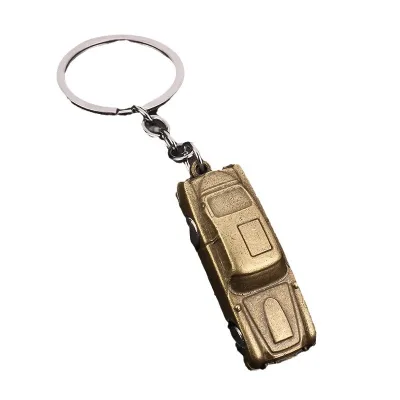
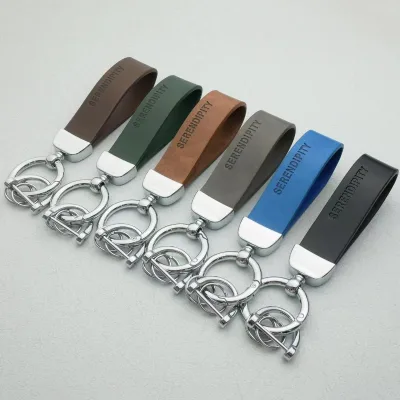
The current market for retro car key straps features a wide range of materials, including zinc alloy, PVC, leather, and braided rope. Observed listings indicate a strong preference for creative styles that mimic vintage automotive aesthetics, often incorporating 3D or 2D embossed logos. These products are frequently marketed as promotion gifts or personal accessories, with a focus on high-quality finishes such as electroplating or offset printing. The versatility of materials allows for significant customization, catering to both individual consumers and corporate bulk orders.
Listings also highlight specific physical attributes, such as compact dimensions and lightweight construction, which are essential for user convenience. Common sizes observed include 6x4 cm for keychains, with single package sizes around 10x10x2 cm. The presence of multiple color options, including white, red, and green, suggests a demand for variety in branding and personalization. Buyers should note that while many products claim universal fitment, the actual attachment mechanism may vary, requiring careful verification of compatibility with different key types.
Technical Specifications to Verify
When evaluating technical specifications, buyers must prioritize material composition and manufacturing processes. Zinc alloy and metal components often undergo die-casting and electroplating to achieve a durable, retro finish. Leather and fabric options require scrutiny of stitching quality and material thickness to ensure longevity. It is essential to verify that the chosen material aligns with the intended use case, whether for heavy daily use or occasional promotional distribution. The weight of the product, typically around 35 grams, should also be considered for shipping cost implications.
Logo application methods, such as embossing, debossing, or printing, significantly impact the final aesthetic and durability. Buyers should request samples to assess the precision of 3D or 2D logo rendering and the adhesion of printed elements. Additionally, the packaging method, whether bubble bags, OPP bags, or gift boxes, affects product protection during transit. Ensuring that the packaging is robust enough to prevent damage to delicate retro designs is a critical technical consideration that can influence customer satisfaction and return rates.
Compliance and Safety Documentation
Compliance with international safety standards is paramount, especially for products that may come into contact with skin or be used in vehicles. Certifications such as TUV and GS indicate adherence to rigorous safety and quality benchmarks, providing buyers with confidence in the product's reliability. Buyers should request valid certification documents from suppliers to verify that the materials used, particularly metals and plastics, are free from harmful substances. This verification step is crucial for maintaining brand reputation and avoiding legal liabilities in regulated markets.
Beyond certifications, buyers must ensure that the supplier follows ethical manufacturing practices and environmental standards. Eco-friendly claims should be substantiated with evidence of sustainable material sourcing or production processes. Documentation regarding the origin of materials, such as zinc alloy or leather, can also provide insights into the supply chain's transparency. By prioritizing suppliers with robust compliance frameworks, buyers can mitigate risks associated with regulatory non-compliance and ensure that their products meet the expectations of discerning consumers.
Cost Drivers and Commercial Terms
Several factors influence the cost structure of retro custom car key straps, including material selection, customization complexity, and order volume. Zinc alloy and leather materials typically command higher prices due to their durability and aesthetic appeal. Customization options, such as unique logo designs or special packaging, can also increase production costs. Buyers should negotiate clear pricing tiers based on MOQs, which often range from 5 to 1000 pieces, to optimize cost efficiency for different order sizes.
Commercial terms, including lead times and shipping methods, play a significant role in overall procurement costs. Standard production times range from 10 to 15 days, with sample times of 5 to 7 days. Buyers should factor in these timelines when planning inventory and marketing campaigns. Shipping options via DHL, UPS, or FedEx offer varying speeds and costs, requiring careful selection based on urgency and budget. Clear communication regarding payment terms and return policies is essential to avoid disputes and ensure a smooth transaction process.
Supplier Qualification and Quality Control
Supplier qualification involves assessing their manufacturing capabilities, quality control processes, and customer service responsiveness. Buyers should prioritize suppliers with established track records in producing automotive accessories and promotional gifts. Requesting detailed information about their production lines, including die-casting and surface treatment capabilities, can provide insights into their technical expertise. Suppliers who offer professional customization services and welcome tailored product requests are often more reliable partners for complex orders.
Quality control measures, such as pre-production samples and final inspections, are critical for maintaining product consistency. Buyers should insist on receiving samples before committing to large orders to verify material quality, logo accuracy, and overall finish. Implementing a rigorous inspection protocol, including checks for defects in electroplating or stitching, can help identify and rectify issues early in the production process. Establishing a clear communication channel with the supplier for addressing quality concerns ensures that any deviations from specifications are promptly resolved.
Long-Term Procurement Checks
Long-term procurement success depends on continuous monitoring of supplier performance and market trends. Buyers should regularly review supplier metrics, including on-time delivery rates, defect rates, and responsiveness to inquiries. Establishing a scorecard system can help objectively evaluate suppliers and identify areas for improvement. Regular feedback loops with suppliers can foster collaboration and drive continuous improvement in product quality and service levels.
Staying informed about emerging trends in retro automotive accessories is also essential for maintaining a competitive edge. Buyers should monitor changes in material preferences, design styles, and consumer demands to adapt their sourcing strategies accordingly. Building strong relationships with multiple suppliers can provide flexibility and reduce dependency on a single source. By proactively managing these long-term factors, buyers can ensure a resilient and efficient supply chain for retro custom car key straps.
FAQs
What materials are used for the car keychain?
The product is available in Zinc Alloy, PVC, and Metal or Leather combinations. Some options also include Braided Rope or Oxford Fabric. These materials ensure durability while maintaining a creative style suitable for auto car keychain applications.
Can I customize the logo on the keychain?
Yes, customization is available with options for 3D or 2D logos. You can choose Embossed, Debossed, or Printed styles. The product supports custom designs, making it ideal for promotion gifts and branded automotive accessories.
What is the minimum order quantity for this item?
The minimum order quantity varies between 5 pieces and 1000 pieces depending on the specific supplier. Some listings require 50 pieces as a baseline. Buyers should verify the exact MOQ before placing an order for retro custom car key straps.
How long does production take for custom orders?
Production time typically ranges from 10 to 15 days after sample approval. Sample preparation requires 5 to 7 days. The total delivery time from the factory is usually 7 to 15 working days after the order is confirmed.
Which certifications do the manufacturers hold?
Certified products may include TUV and GS standards. These certifications ensure quality and safety for the metal and leather components. Buyers should request specific certification documents to verify compliance with international standards for automotive accessories.
Where are these keychains manufactured?
Products originate from Zhejiang and Guangdong provinces in China. The manufacturing facilities are located in these regions to support efficient production and logistics. Buyers can expect consistent quality from these established sourcing locations.
What packaging options are available for the keychains?
Packaging includes Bubble Bags, OPP Bags, Plastic Boxes, or Gift Boxes. Some suppliers offer standard box packaging for bulk orders. The single package size is approximately 10 by 10 by 2 cm, ensuring safe transport during shipping.